
The Guardian Manifesto: Leadership, Legacy, And Responsibility

We inherit more than names, property, and stories. We take on unfinished tasks, relationships, opportunities, access, culture and knowledge. It is each generation’s choice whether or not that inheritance is weakened and unchanged or more useful. That’s a decision that makes the difference between the ownership and stewardship of something.
The same distinction applies to leadership. A title may confer a power, but it doesn’t ensure a character, a judgment or service. Comfort is a gift of wealth, but the benefit of wealth is what it enables others to do. This is the foundation of The Guardian Manifesto. A Guardian is defined neither by status nor profession. A Guardian accepts responsibility for what has been received and what must be passed forward.
This philosophy resonates with African leadership, African professionals, entrepreneurs, investors and creators, as well as families and emerging leaders, worldwide. It poses the question of what influence should be used, what heritage should to be protected and what institutions ought to survive. It also asks a harder question: what will become possible because we were here?
What Is the Guardian Manifesto?
The Guardian Manifesto is AfroFlame’s standard for leadership, stewardship, and generational responsibility. A Guardian uses knowledge, capital, access, culture, and influence with care. Guardians build people, protect what matters, create opportunity, and establish institutions capable of serving generations beyond their own.
Guardianship is not passive preservation. It requires judgment, courage, discipline, and action. A Guardian receives, improves, protects, and passes forward. That sequence applies to family legacy, cultural knowledge, professional access, financial resources, businesses, communities, and institutions. The responsibility is simple to state, yet demanding to practice: what we receive is not ours alone.
African Leadership Begins With Responsibility
Leadership is often measured through visibility. Titles, audiences, awards, income, and influence can all suggest success. However, African leadership principles require a deeper standard. A Guardian asks whether people became stronger, institutions became sounder, and opportunities became wider because of their decisions.
Responsible leaders accept difficult duties:
- They make principled decisions without waiting for applause.
- They accept accountability when plans fail.
- They listen before assuming they understand.
- They learn when experience exposes weakness.
- They create room for capable people to contribute.
- They protect standards when convenience encourages compromise.
The African Union’s Agenda 2063 names “capable institutions and transformative leadership” as a continental goal. It links leadership with participatory development and functioning institutions. That connection matters. Leadership cannot depend entirely upon one personality. It must establish processes, develop successors, record knowledge, and distribute responsibility.
A Guardian therefore measures influence through outcomes rather than attention. The central question is not, “How many people followed me?” It is, “How many people became stronger because I led?”
Heritage, Identity, and African Excellence
No generation can construct with confidence upon an inheritance which it considers an embarrassment. African identity is made up of languages, family histories, moral traditions, artistic expression, scholarship, enterprise, memory and shared experiences. These inheritances differ across regions and communities. They should never be reduced to one image or story.
Guardians study history without romanticizing it. They recognize achievement, conflict, adaptation, injustice, creativity, and unfinished work. That knowledge provides context. It also protects people from narratives that define African potential only through hardship or external approval.
Protect the Roots Without Freezing the Culture:
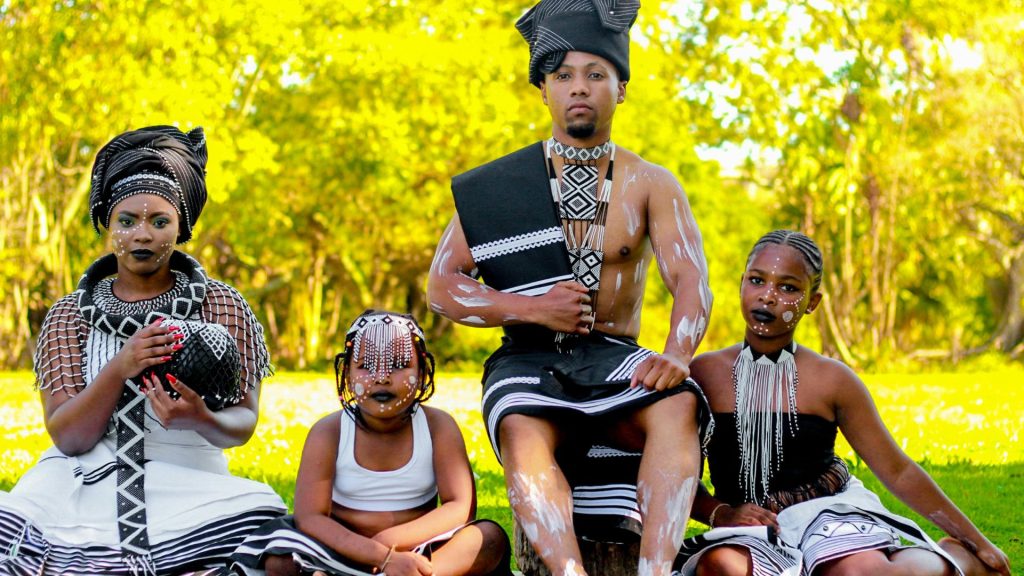
Cultural stewardship does not require resistance to every change. Living cultures travel, adapt, borrow, and produce new forms. The Guardian’s task is to protect meaning while allowing expression to develop. UNESCO warns that up to 10% of African languages, especially those spoken by smaller communities, could disappear within a century.
That risk makes preservation practical rather than symbolic. There are roles for families, schools, archives, creators, publishers and technology platforms. Guardians may document oral histories, instruct language, archival records and support accurate representation and cultural work, and provide funding.
There is no need to apologize or overstate for African excellence. It is manifested in excellence, commitment, competence, integrity and performance of work which is internationally acceptable. Rooted leadership can still think internationally. Cultural confidence and global ambition are not opposites.
Ownership and Wealth Stewardship
Participation can provide income, experience, and recognition. Ownership provides agency, continuity, decision-making power, and transferable value. A Guardian therefore looks beyond consumption.
Ownership may include:
- Businesses and equity
- Land and productive property
- Patents, copyrights, and trademarks
- Technology and data
- Investment structures
- Cultural institutions
- Family enterprises
- Professional and educational platforms
African ownership matters because it influences who controls decisions, captures value, protects ideas, and transfers assets. Yet ownership alone is not the final measure. The purpose and conduct behind it also matter.
Wealth Should Expand What Is Possible:
The Guardian does not treat wealth as shameful. Capital can protect families, finance ideas, create jobs, and sustain institutions. Wealth stewardship asks what those resources make possible.
A scholarship may change one student’s direction. Patient capital may help an entrepreneur survive a difficult stage. Property may provide security across generations. A well-governed business may create livelihoods long after its founder leaves daily operations.
This principle does not require every asset to become charity. It requires discipline, intention, and awareness of wider consequences. Culture Drives Capital: The AfroFlame Philosophy explains how ownership becomes stronger. Cultural meaning, economic value, and institutional purpose reinforce one another. The Guardian asks two linked questions: “What can I own?” and “What can I build that others can own?”
Build Institutions, Not Moments
A moment can attract attention. An institution creates continuity. Founders, executives, artists, public leaders, and investors may achieve extraordinary results. However, individual talent cannot substitute permanently for structure.
Strong institutions need:
- A defined mission
- Clear governance
- Financial discipline
- Recorded processes
- Leadership succession
- Ethical safeguards
- Knowledge transfer
- Capacity to adapt
The World Bank’s 21st-Century Africa report argues that sustainable progress requires credible, competent, and accountable institutions. It also emphasizes transparency, public engagement, and trust. These principles apply beyond government. Businesses, foundations, professional associations, family offices, schools, archives, and community organizations also need durable systems.
What Can Outlive the Founder?
A company can outlive its founder when authority, knowledge, and ownership are transferred deliberately. A scholarship can continue when dependable financing and transparent selection replace personal discretion.
A cultural archive can endure when preservation standards, access rules, and responsible custodianship are established. A network can survive when leadership is distributed and members share responsibility for its purpose.
This is institution building in practical terms. Legacy is not merely being remembered. Legacy is useful continuity supported by sound structures. Build what can function, learn, and serve after personal control ends.
Open Doors and Prepare the Next Generation
Access is a powerful inheritance. It may come through education, family networks, professional standing, capital, citizenship, or proximity to decision-makers. Guardians do not use access only to protect their own position. They create responsible pathways for capable people who remain outside. That may involve mentorship, introductions, investment, teaching, sponsorship, or honest professional guidance.

Mentorship Is Leadership in Practice:
Good mentorship transfers more than encouragement. It shares judgment, context, standards, networks, and lessons that are rarely written down.
Emerging leaders may need:
- Financial literacy
- Technical knowledge
- Cultural confidence
- Institutional understanding
- Professional judgment
- Constructive criticism
- Access to credible networks
- Opportunities to make real decisions
UNDP documented 44 youth-led African initiatives in 2026. They supported governance reform, peacebuilding, accountability, and formal decision-making. The evidence challenges the idea that young people are merely future recipients. Many are already building, organizing, negotiating, and leading.
Still, access remains uneven. In May 2026, women held 27.5% of parliamentary seats across Sub-Saharan Africa. Representation is not the only measure of leadership. However, the figure shows why leadership pipelines require deliberate attention. Opening doors does not mean abandoning standards. It means replacing inherited exclusion with fair opportunity, preparation, accountability, and meaningful responsibility.

Ethical Ambition Requires Accountability
The Guardian does not reject ambition, wealth, influence, competition, or recognition. Each can support useful work. However, success does not excuse exploitation, dishonesty, manipulation, or damage to human dignity. Ethical leadership sets boundaries before pressure arrives. It protects trust when shortcuts appear attractive.
A Guardian does not confuse power with permission. Authority increases responsibility because decisions affect employees, families, partners, communities, and reputations. Character becomes visible through repeated choices:
- Keeping promises when circumstances change
- Declaring conflicts of interest
- Correcting misleading information
- Paying people fairly
- Protecting confidential knowledge
- Refusing opportunities built upon abuse
- Accepting scrutiny without retaliation
Failure, Repair, and Responsibility:
Failure does not automatically disqualify a leader. Plans change, investments disappoint, businesses struggle, and judgment sometimes proves incomplete. The response matters. Responsible leaders acknowledge outcomes, examine causes, repair preventable harm, and change weak systems. They do not rename avoidance as resilience.
Learning requires honesty. Rebuilding requires humility. Accountability turns failure into knowledge that can protect future decisions. An African leadership legacy cannot rest only on visible achievements. It also includes how leaders behaved when control, reputation, or comfort faced pressure.
Community Turns Connection Into Capacity
No enduring legacy is built alone. Parents, teachers, colleagues, employees, mentors, investors, friends, and communities contribute to nearly every meaningful achievement. Relationships are therefore forms of capital. Trust, reputation, access, and knowledge can produce results that money alone cannot purchase.
However, connection without purpose remains social proximity. Community becomes capacity when people coordinate skills, resources, standards, and responsibility. The African diaspora can link markets, institutions, families, expertise, and cultural knowledge across borders. Its value grows when relationships become cooperation.
Cooperation needs clear expectations. It also needs reciprocity, accountability, and structures that continue beyond one meeting or personality. The Future of Diaspora Wealth extends that duty from personal progress toward shared ownership, knowledge exchange, and generational capacity. Roots may be local. Vision may be global. Responsibility must remain present in both places.
The Guardian Pledge
To accept Guardianship is to accept that achievement carries obligations.
A Guardian commits to:
- Lead with integrity and accept accountability.
- Protect culture while allowing thoughtful development.
- Pursue excellence without abandoning identity.
- Treat wealth as a tool for wider capacity.
- Create, defend, and transfer ownership responsibly.
- Open doors without lowering meaningful standards.
- Mentor people who will eventually lead independently.
- Build institutions with succession in mind.
- Learn honestly from failure.
- Strengthen community through contribution and trust.
- Think across borders, decades, and generations.
- Leave something useful behind.
The pledge is not a claim of perfection. Guardians will still make mistakes, face competing duties, and revise their understanding. The commitment lies in returning to the standard. What did my leadership make stronger? How did my access widen opportunities? What will continue because I acted responsibly? These questions turn values into practice.
The AfroFlame Guardian: A Standard of Conduct
At AfroFlame, Guardianship is not a decorative title. It represents a standard for leadership, legacy, and responsibility. We carry culture without reducing it to symbolism, and we steward capital with discipline. Access, in our view, creates a responsibility to widen opportunity. Influence also demands care because every decision can shape an institution, a family, or a generation.
We are building for Africans and the diaspora who believe achievement should produce more than recognition. It should produce businesses, cultural platforms, investment networks, scholarships, archives, and institutions that can endure beyond their founders. We do not confuse exclusivity with importance. Our purpose is not to protect privilege. We protect standards, bring serious builders together, and direct relationships toward work that creates lasting value.
Self and others entering our community are expected to contribute, be discreet, display integrity and be excellent. We measure Guardianship through action: the people we mentor, the things we help create, the concepts we protect or the places we invest capital and what comes beyond us are left for others as a result of our actions.
This is the AfroFlame standard. We build with purpose, steward with discipline, and carry the flame forward together.
Carry the Flame Forward:
Every generation receives something incomplete. It receives stories requiring protection, institutions requiring repair, opportunities requiring expansion, and knowledge requiring transmission. Leadership is the temporary stewardship of that inheritance. The Guardian’s responsibility is not to possess the flame forever. It is to protect its meaning, strengthen its light, and pass it forward. The final measure is not the size of a name, the number of possessions, or the volume of applause.
It is what another person, family, community, or generation can build because of our choices. We are not the beginning of the story, and we are not its end. At AfroFlame, we are the bridge between inheritance and possibility. Our duty is to make that bridge strong enough for others to cross.
About the Author
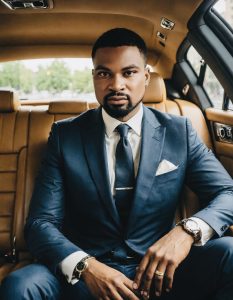
Umar Mohammed is the Founder & CEO of AfroFlame Corp, a Pan-African leadership and cultural platform focused on connecting emerging leaders, accomplished professionals, entrepreneurs, investors, and members of the African diaspora. Through AfroFlame, Umar explores Africa’s evolving role in global business, culture, leadership, and economic development.
Connect with AfroFlame:
Elevating Connections. Empowering Success.
Author: Umar Mohammed
Role: Founder & CEO, AfroFlame Corp
Published: August 2026
Category: Africa | Leadership | Global Affairs | Business